
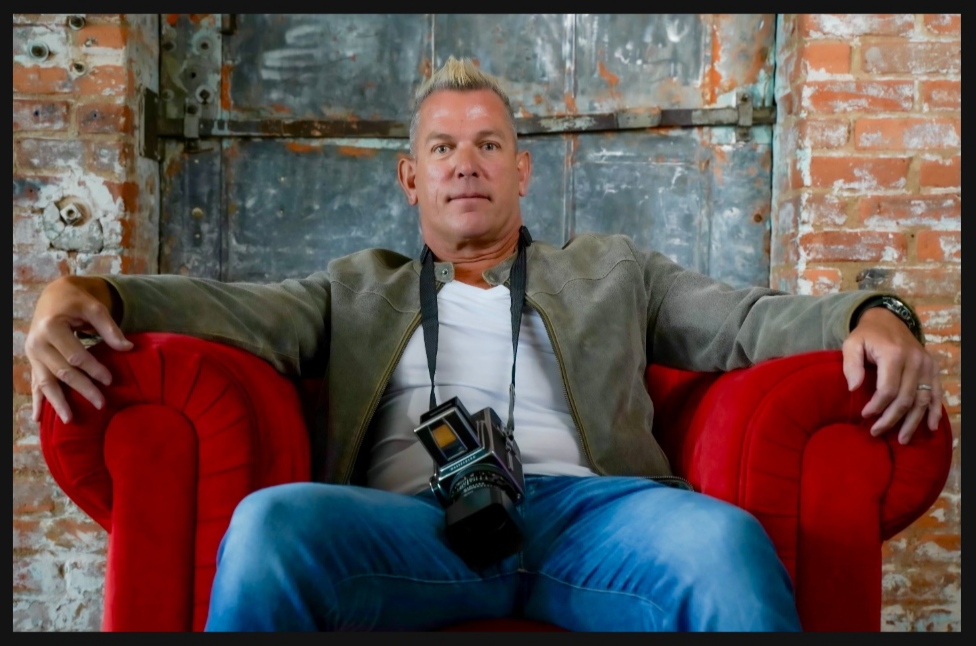
BIOGRAFÍA
CURRÍCULUM VITAE
Will Kraus
Philadelphia, PA, USA
Willkraus01@gmail.com
FORMACIÓN ACADÉMICA: BFA (Licenciatura en Bellas Artes) en Fotografía (en curso), Tyler School of Art and Architecture, Temple University, Philadelphia, PA.
TRAYECTORIA ARTÍSTICA: Más de 30 años de experiencia en la práctica de la fotografía analógica, además de experiencia en fotografía digital y flujos de trabajo de posproducción.
Exprofesional corporativo (jubilado).
Exmiembro del Cuerpo de Marines de los Estados Unidos (retirado).
EXPOSICIONES:
Centro Hispanoamericano de Cultura, galería “María Zambrano”, Oficina del Historiador de la Habana, Cuba. Exposición personal “Fade to the Dark”, (2026). Exhibida durante 2 meses.
MvVO Art – Exposición internacional con jurado en el World Trade Center, Nueva York (2020); exhibida durante 30 días.
A Smith Gallery – Exposición internacional «Portal» en la A. Smith Gallery, Texas (2019); exhibida durante 30 días.
PREMIOS Y RECONOCIMIENTOS:
International Photography Awards (IPA) • 30 Menciones de Honor en múltiples categorías • 2.º lugar: Fotografía de paisaje analógica • 3.er lugar: Fotografía callejera analógica.
American Photography Awards (APA) • 20 Menciones de Honor.
Luxembourg Photography Awards • Mención de Honor.
MVVO Art (Nueva York, NY) • Top 100 de Artistas Emergentes en Medios Visuales (2020).
EXPERIENCIA TÉCNICA:
Impresión en cuarto oscuro: Impresión en gelatina de plata • Proceso Van Dyke Brown • Impresiones en platino/paladio • Cianotipia.
Flujo de trabajo digital: Adobe Lightroom • Adobe Photoshop • Software de escaneo SilverFast • Flujos de trabajo con escáneres Epson.
Práctica fotográfica: Fotografía analógica con película (experiencia con formatos de 35 mm y medio formato 120) • Procesos de impresión con calidad de archivo • Digitalización de película e integración de flujos de trabajo híbridos (analógico/digital).
DECLARACIÓN ARTÍSTICA:
Mi práctica fotográfica se fundamenta en más de tres décadas de experiencia analógica, recientemente ampliada mediante procesos digitales y flujos de trabajo híbridos. Mi obra explora la claridad observacional, el proceso material y la traducción de la experiencia vivida a una forma fotográfica, moldeada por la disciplina, la repetición y una dedicación a largo plazo a la creación de imágenes.
CURRICULUM VITAE
Will Kraus
Philadelphia, PA USA
Willkraus01@gmail.com
EDUCATION: BFA (In Progress), Photography Tyler School of Art and Architecture, Temple University, Philadelphia, PA
ARTISTIC BACKGROUND: 30+ years experience in analog photography practice plus experience in digital photography and post-production workflows
Former corporate professional (retired)
Former United States Marine (retired)
EXHIBITIONS:
Culture Hispanoamerican Center, “María Zambrano” Gallery. Habana History Office, Cuba. Solo exhibition “Fade to the Dark”, (2026), exhibited for two months.
MvVO Art – International juried exhibition at World Trade Center, New York (2020), exhibited for 30 days
A Smith Gallery – “Portal” international exhibition at A. Smith Gallery, Texas (2019) exhibited for 30 days
AWARDS & HONORS:
International Photography Awards (IPA) • 30 Honorable Mentions across multiple categories • 2nd Place – Analog Landscape Photography • 3rd Place – Analog Street Photography
American Photography Awards (APA) • 20 Honorable Mentions
Luxembourg Photography Awards • Honorable Mention
MVVO Art (New York, NY) • Top 100 Emerging Artists in Media (2020)
TECHNICAL EXPERIENCE:
Darkroom Printing: Silver Gelatin Printing • Van Dyke Brown Process • Platinum/Palladium Prints • Cyanotype
Digital Workflow: • Adobe Lightroom • Adobe Photoshop • SilverFast scanning software • Epson scanner workflows
Photography Practice: • Analog film photography (35mm and 120 medium format experience) • Archival printing processes • Film scanning and hybrid analog/digital workflow integration
STATEMENT:
My photographic practice is grounded in over three decades of analog experience, recently expanded through digital processes and hybrid workflows. My work explores observational clarity, material process, and the translation of lived experience into photographic form, shaped by discipline, repetition, and long-form engagement with image-making.
COMENTARIO
Por William Kraus
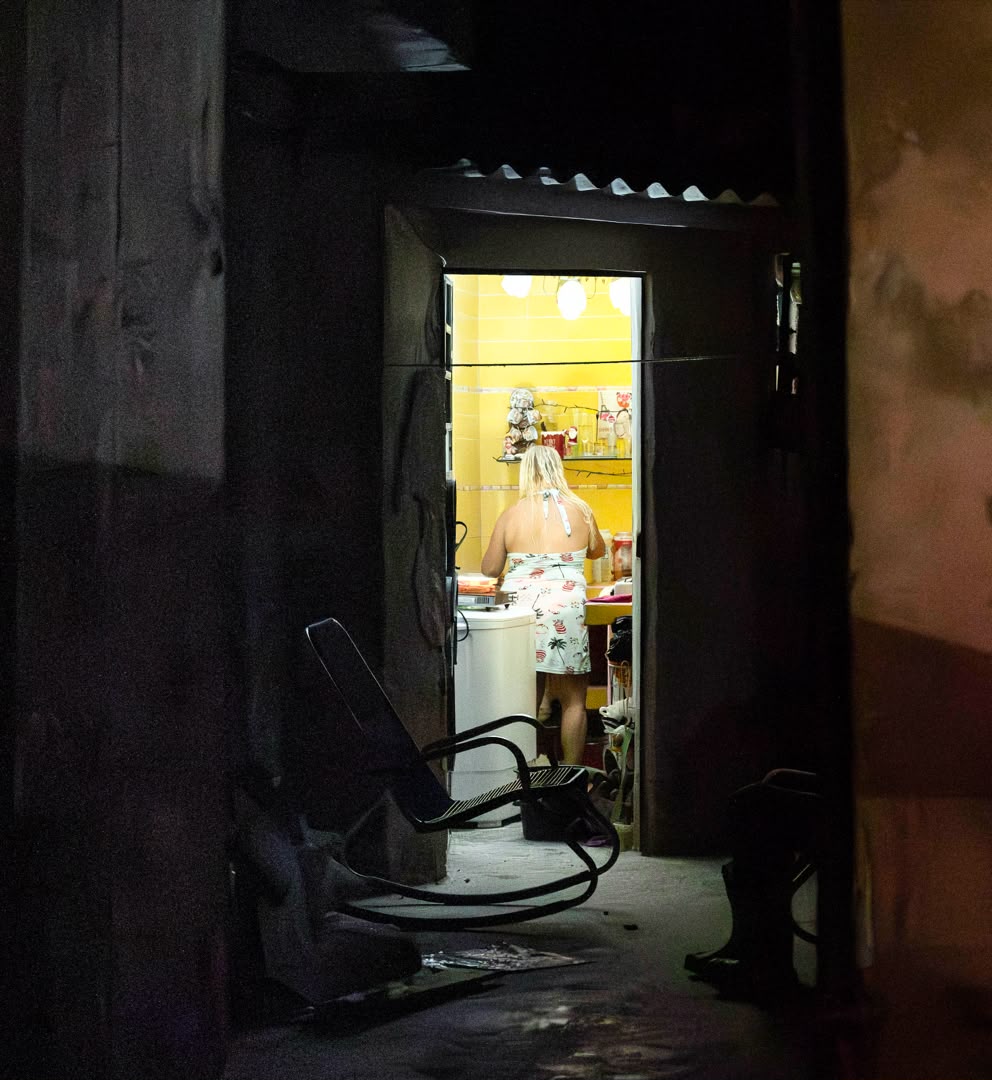
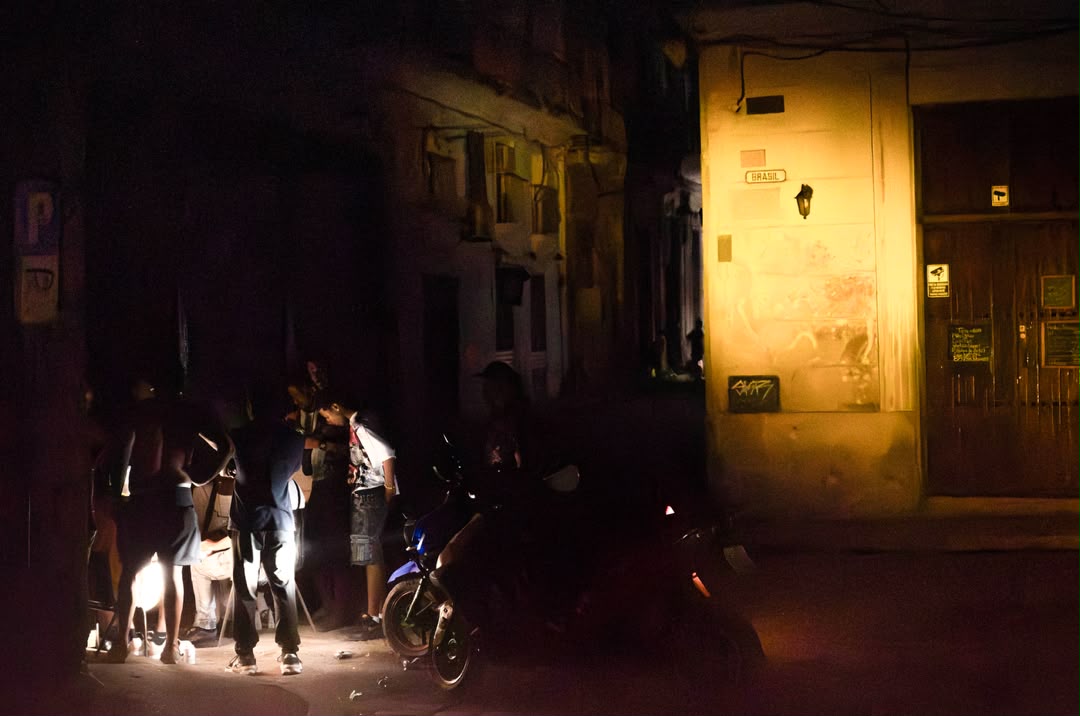
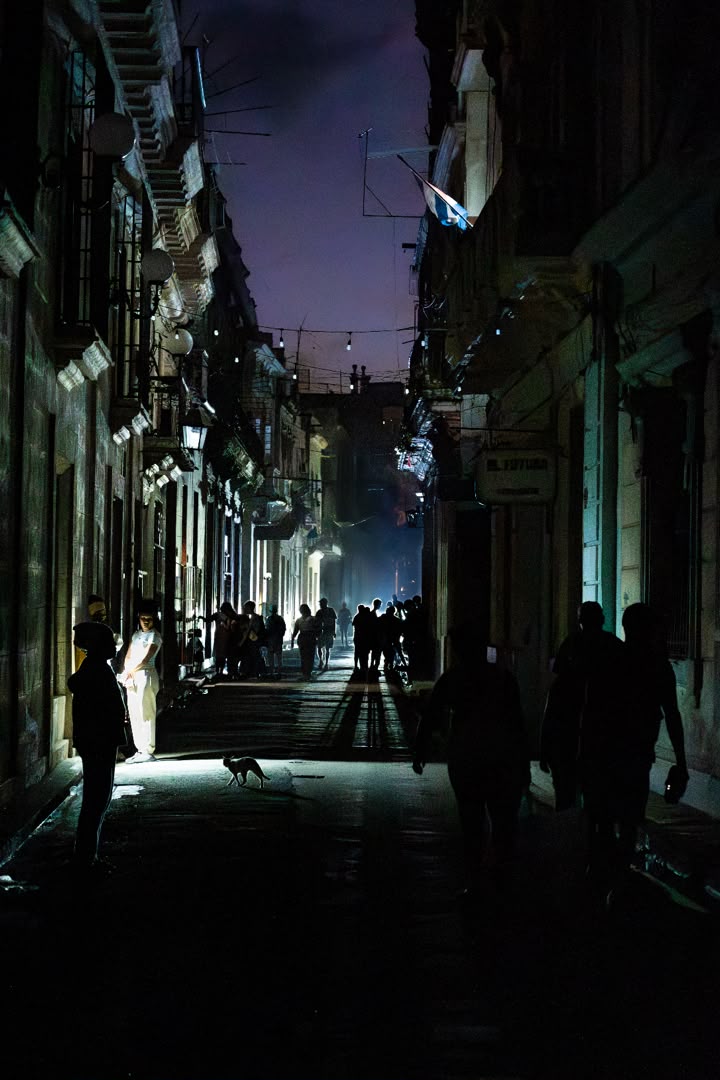
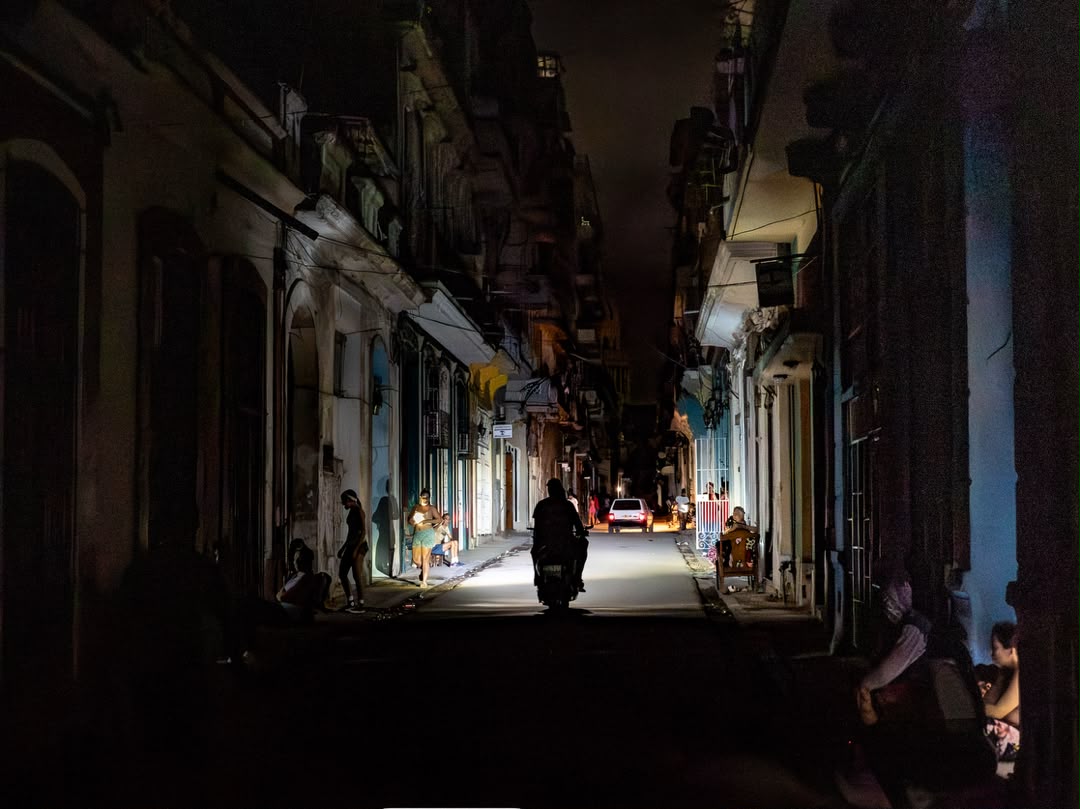
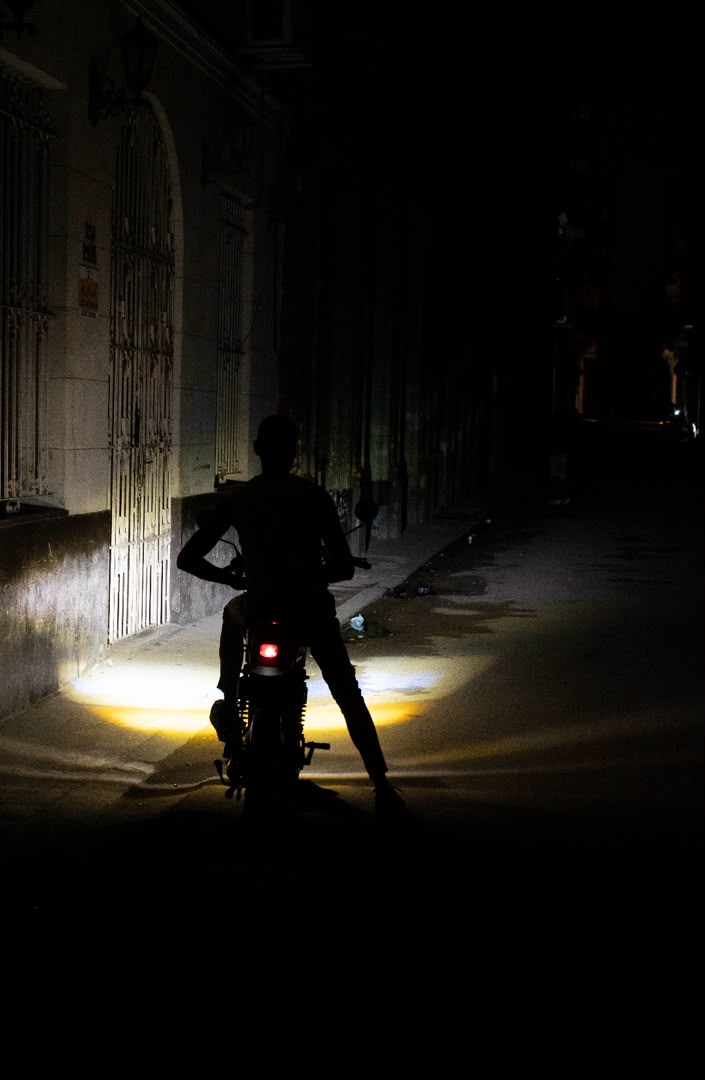
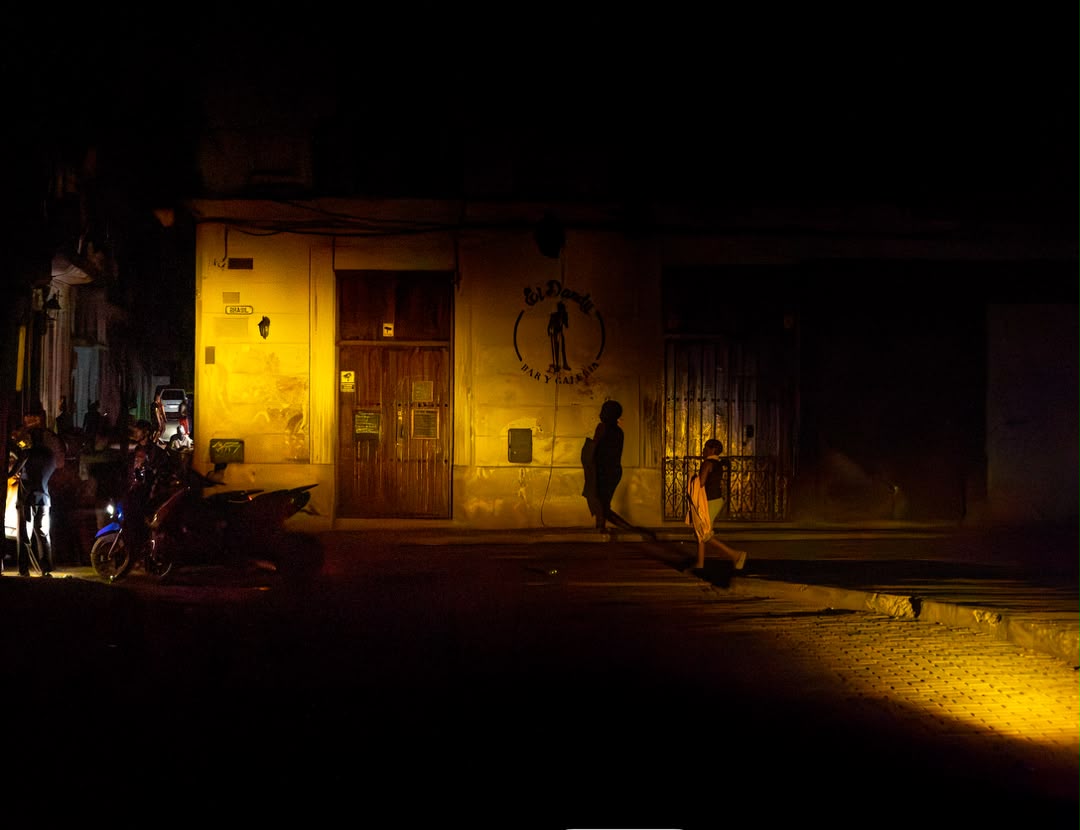
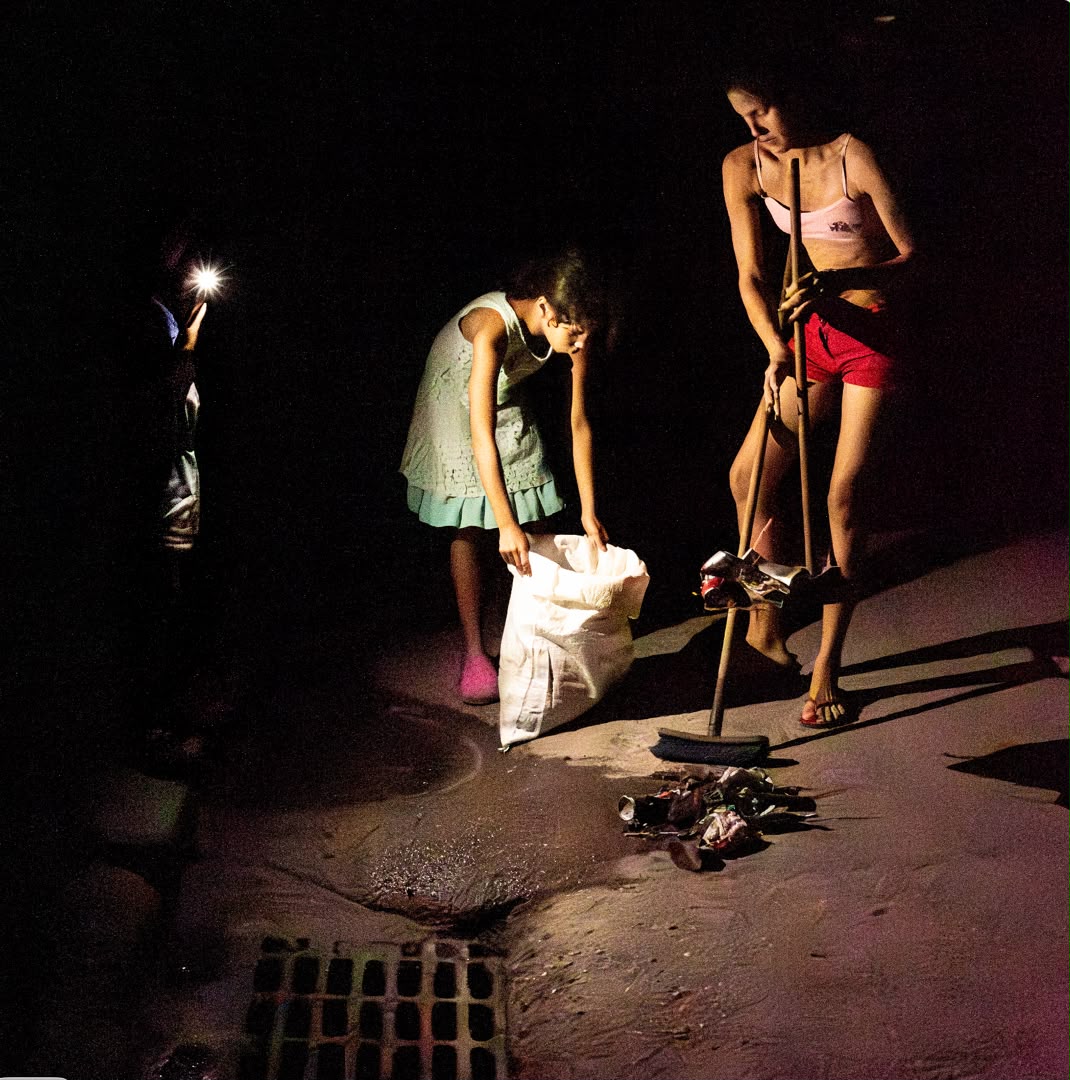
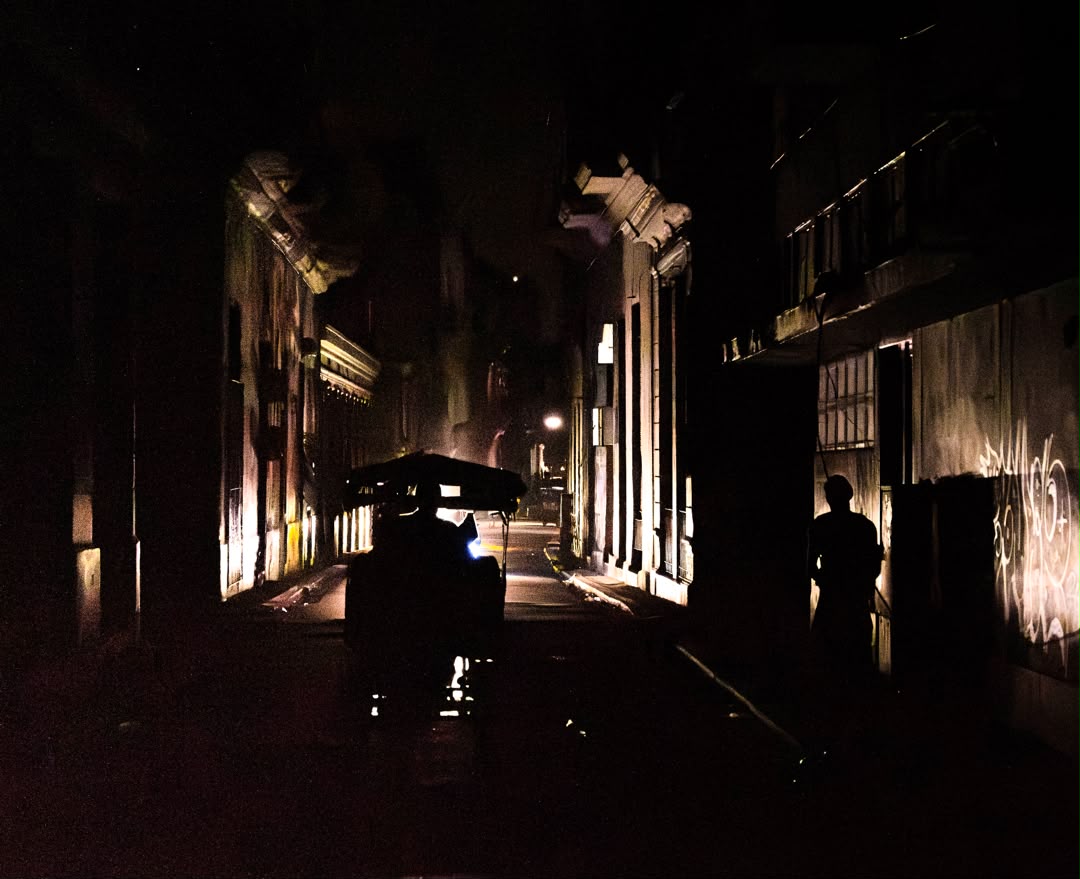
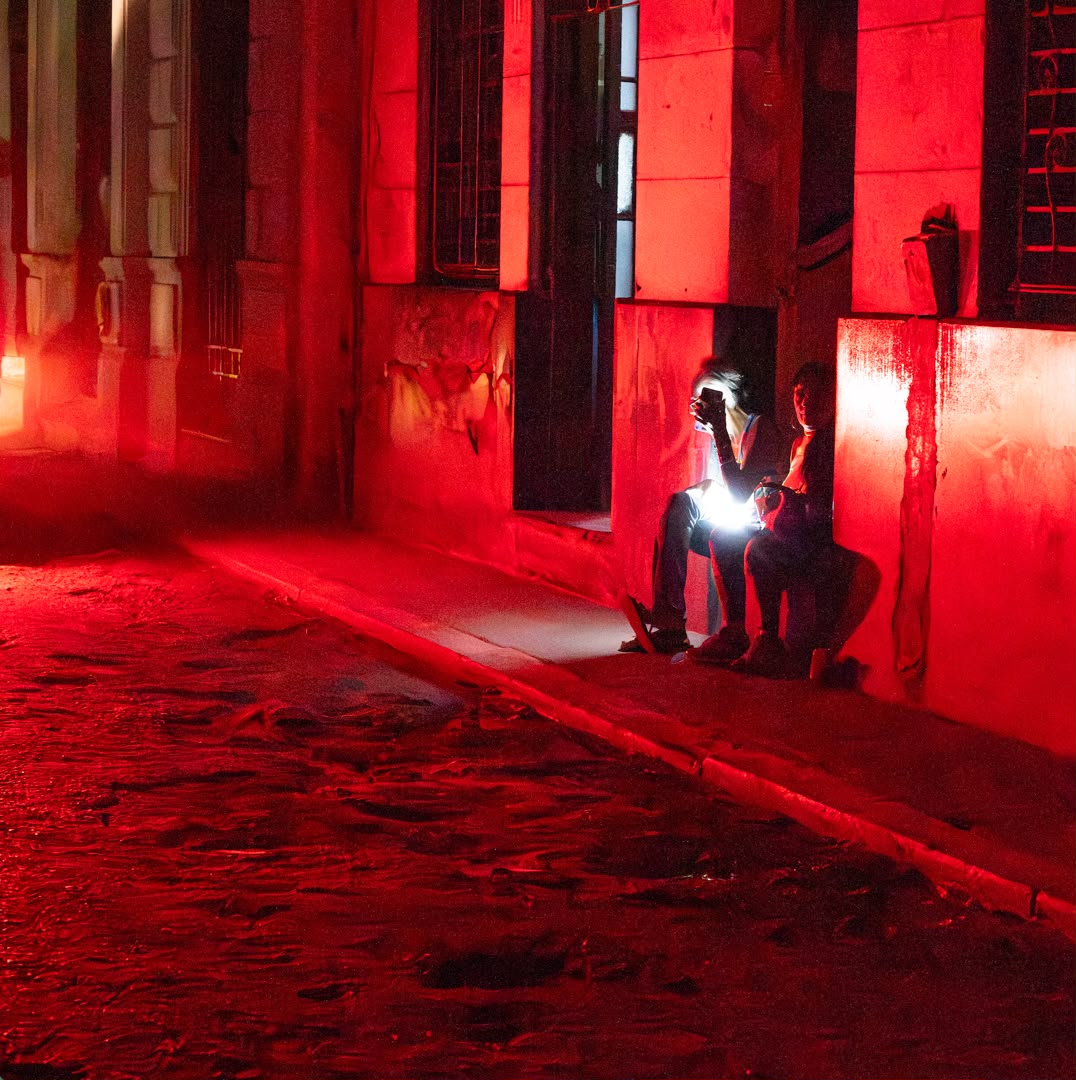
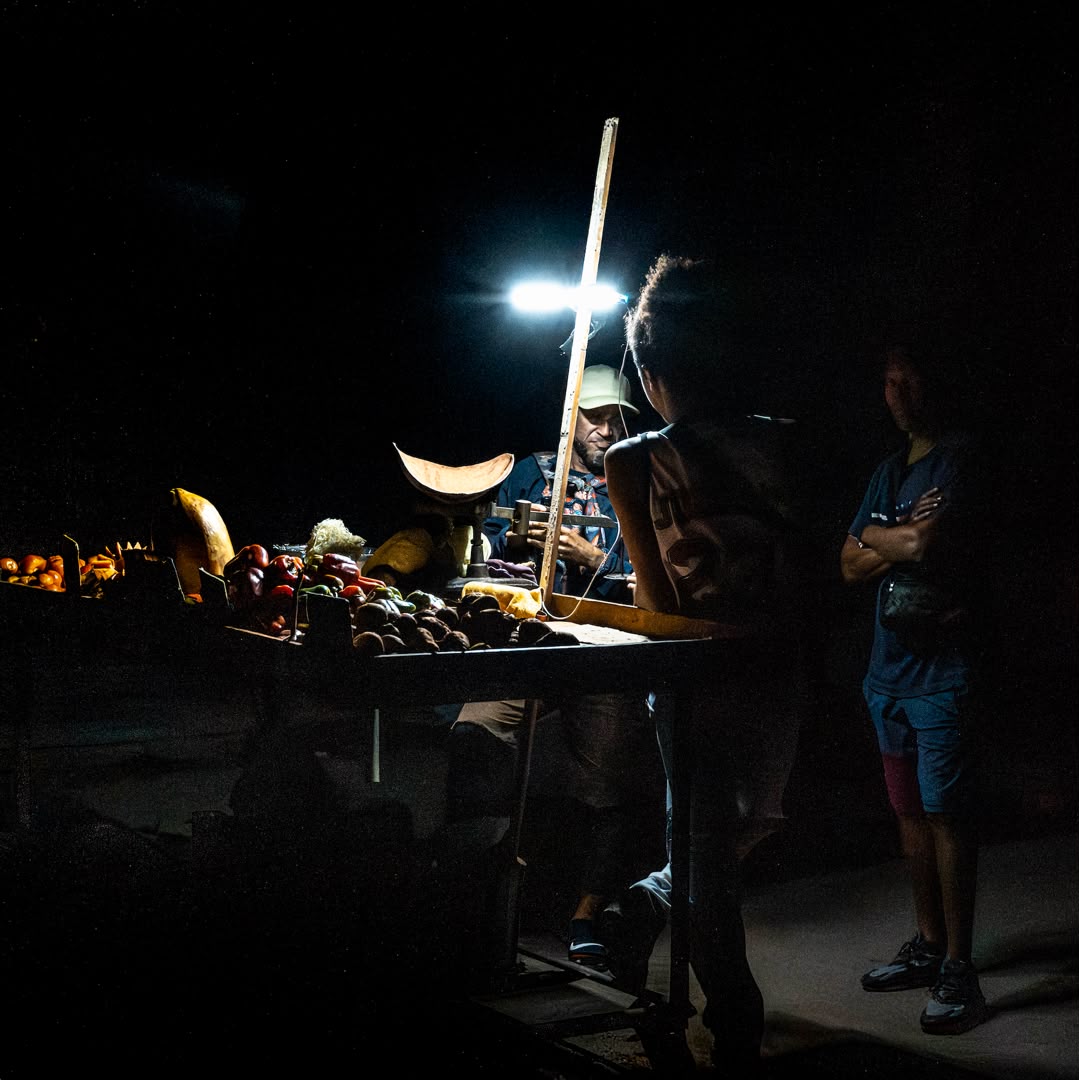
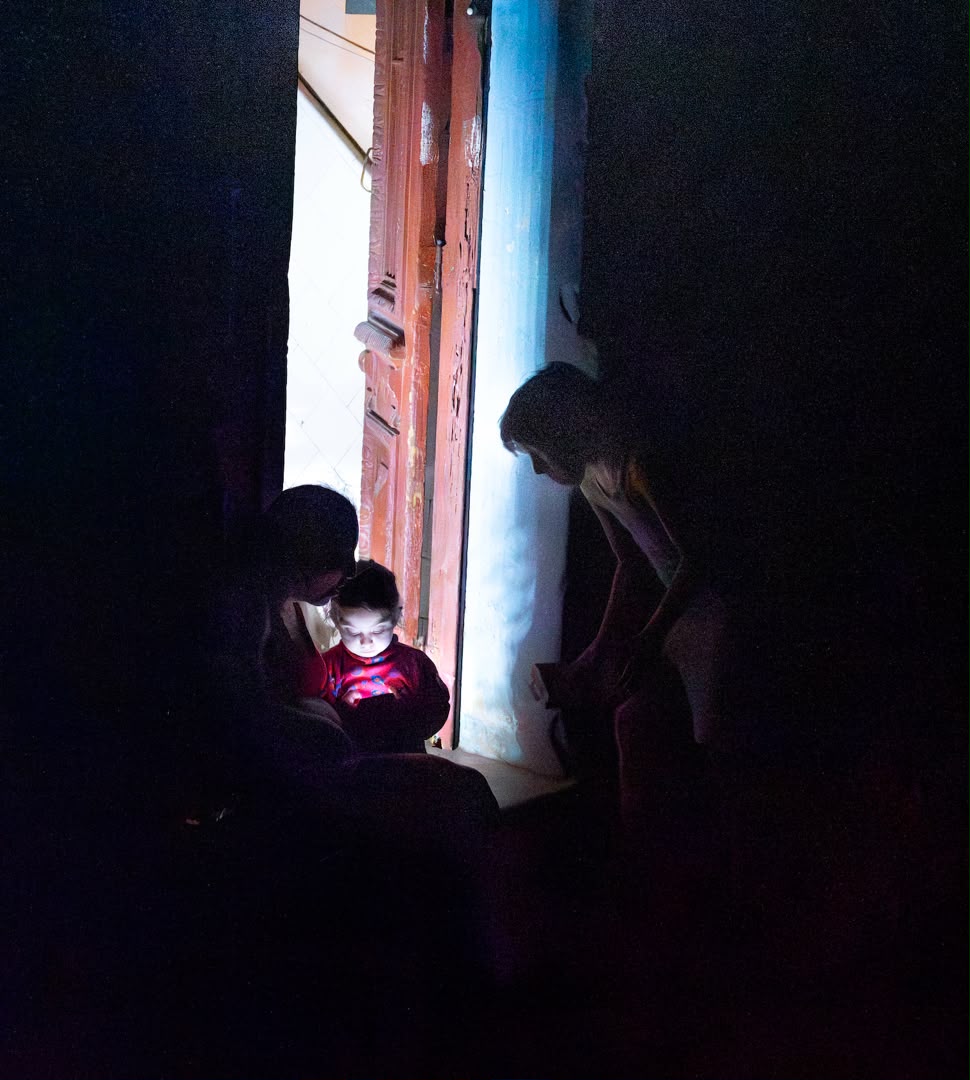
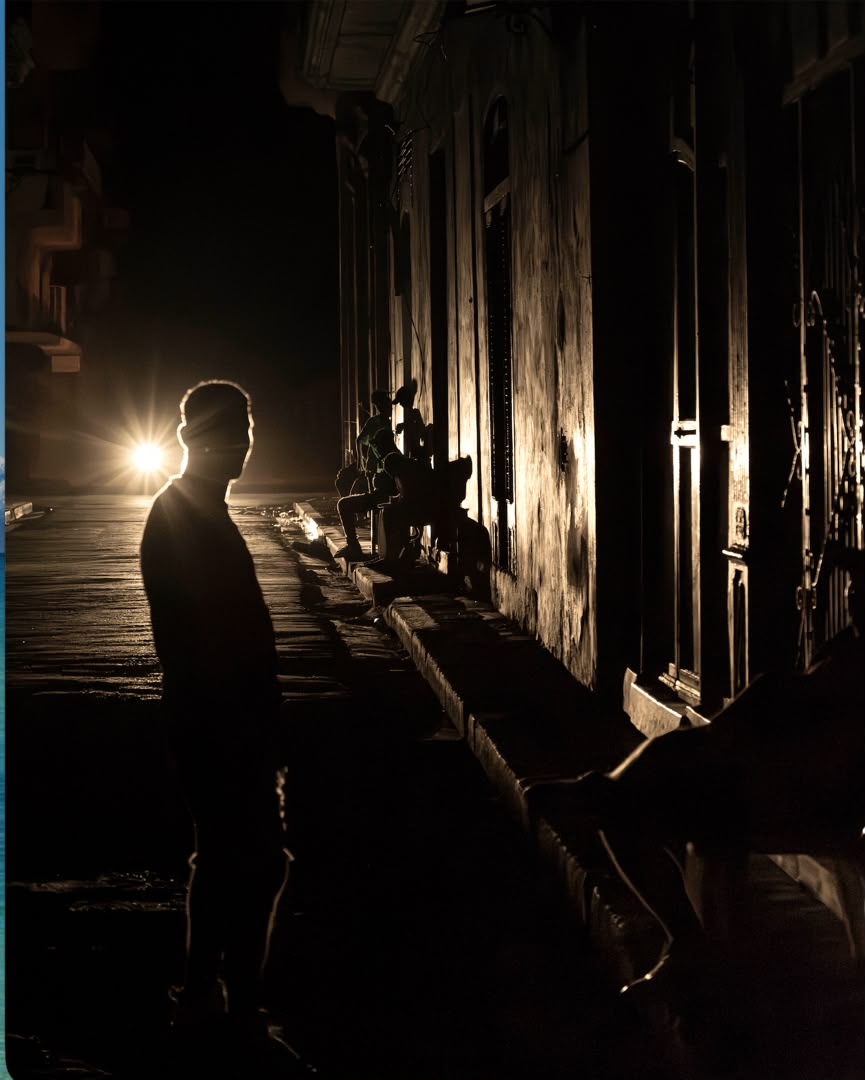
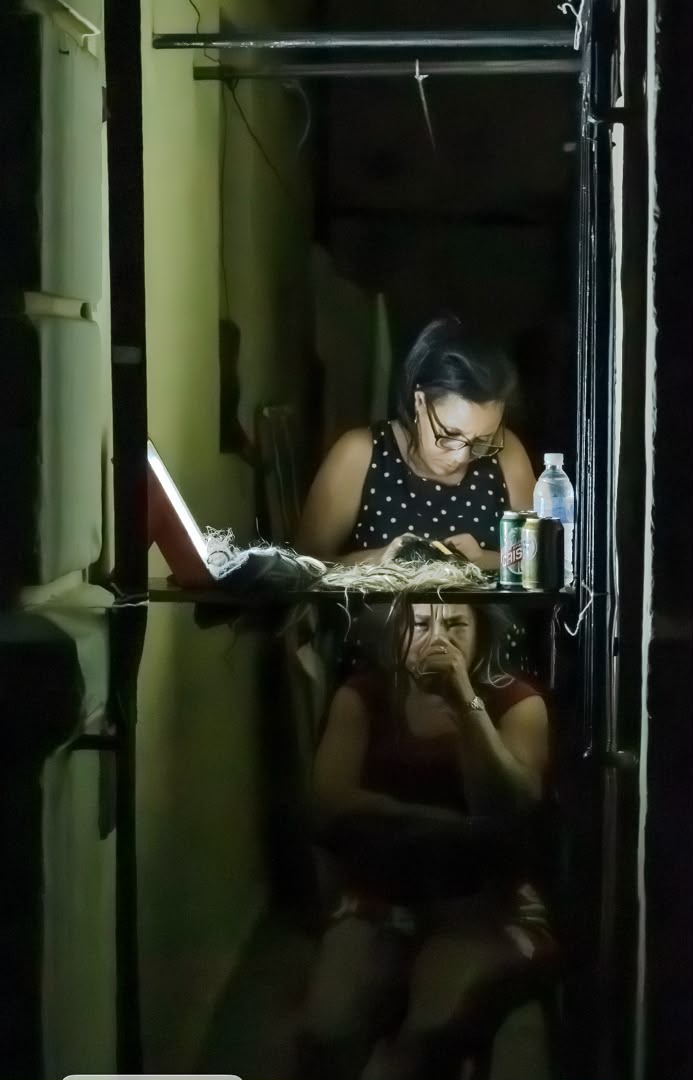
Esta serie fue realizada para mostrar la resiliencia del pueblo cubano ante la crisis. Durante los periodos de prolongados apagones eléctricos en febrero de 2026, la ciudad transcurrió en una oscuridad intermitente, y la visibilidad nunca estuvo garantizada. Trabajando de noche bajo estas condiciones, fotografié espacios y momentos en los que la luz era escasa, efímera y, a menudo, improvisada.
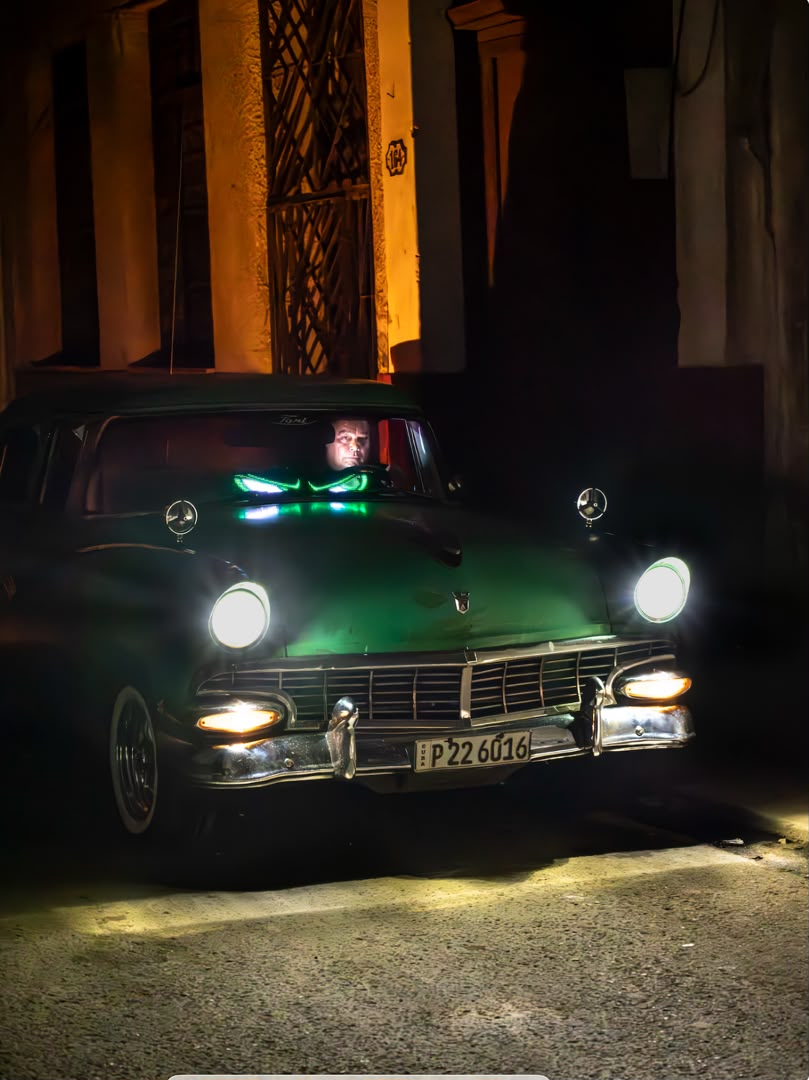
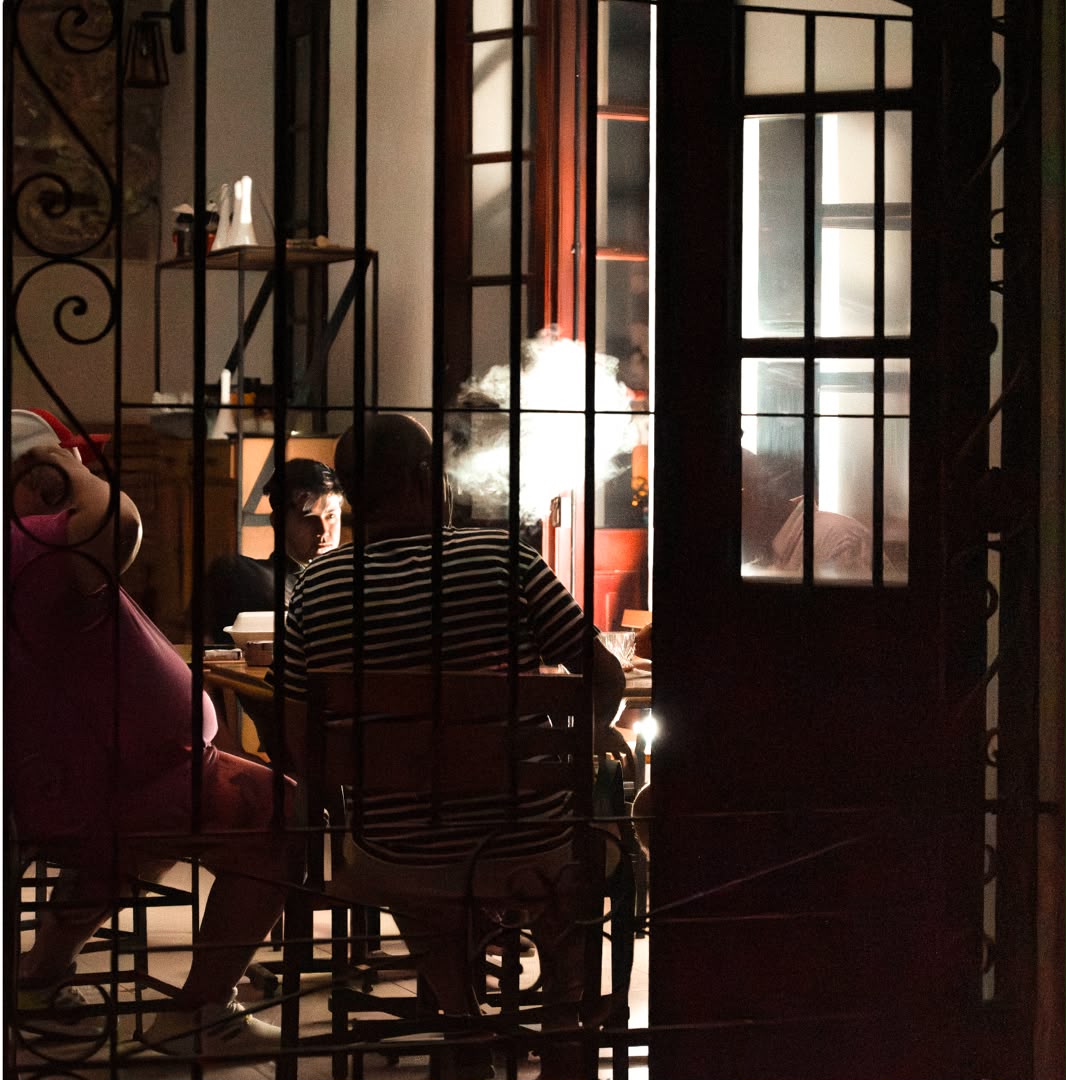
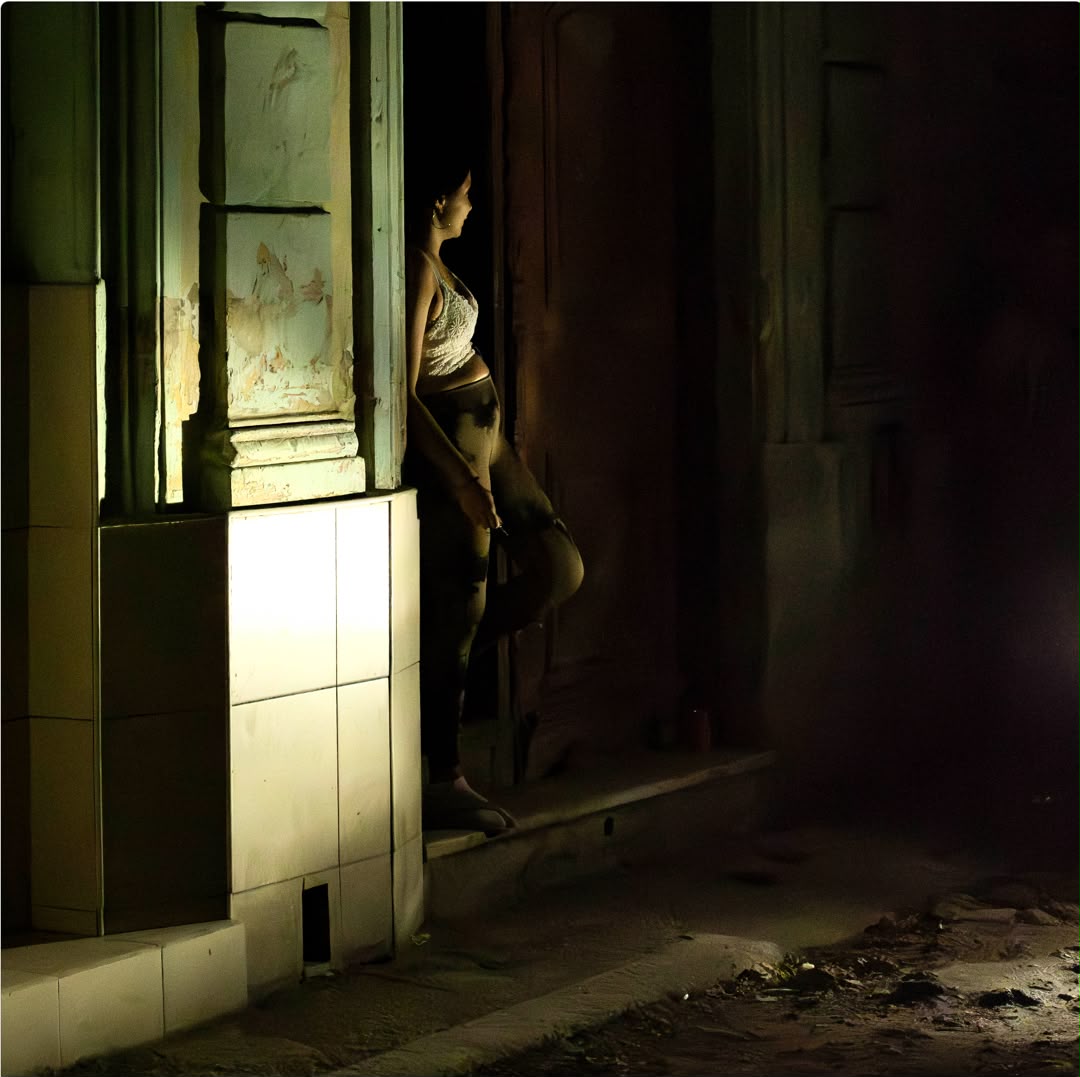
En lugar de tratar la oscuridad como un obstáculo, la utilizo como el lenguaje central de la obra. Las imágenes son modeladas por una iluminación limitada —velas, pantallas de teléfonos, faros de vehículos de paso— y por aquellas zonas del encuadre que permanecen indefinidas u ocultas. Lo que aparece es siempre parcial, y lo que desaparece resulta igualmente importante.
Empleando largas exposiciones y ajustes de ISO elevados, trabajé inmerso en la inestabilidad de estos entornos para preservar tanto la presencia como la ausencia. Las imágenes resultantes se resisten a la nitidez, reflejando, en cambio, cómo se transforma la percepción cuando la luz se presenta fragmentada e inestable.
Esta obra reflexiona sobre el modo en que los cubanos viven, se desenvuelven y, aun así, disfrutan de sus vidas en compañía de las personas que los rodean y les brindan apoyo. Se desplazan a través de espacios definidos por la incertidumbre, ilustrando cómo el sentido puede emerger no solo de aquello que resulta visible, sino también de aquello que permanece justo fuera de nuestro alcance.
By Will Kraus
This series was made to show how resilient the Cuban people are in the face of economic collapse in Havana. During periods of extended electrical blackouts in February 2026, the city existed in intermittent darkness and visibility was never guaranteed. Working at night in these conditions, I photographed spaces and moments where light was scarce, temporary and often improvised.
Rather than treating darkness as an obstacle, I use it as the central language of the work. The images are shaped by limited illumination—candles, phone screens, passing headlights—and by the areas of the frame that remain unresolved or hidden. What appears is always partial and what disappears is equally important.
Using long exposures and high ISO settings, I worked within the instability of these environments to preserve both presence and absence. The resulting images resist clarity, instead reflecting how perception shifts when light is fragmented and unreliable.
This work considers how Cubans live, operate and still enjoy their lives with other people who are around them and support them. They move through spaces defined by uncertainty, illustrating how meaning can emerge not only from what is visible, but from what remains just out of reach.
(Todas las obras de la exposición pertenecen a la serie “Resilience in the Dark”. Dimensiones: 61 x 79 cm; 33 x 48 cm)
(All works in the exhibition belong to the series” Resilience in the dark”. Todas las obras de la exposición pertenecen a la serie “Resilience in the Dark”. Dimensiones: 61 x 79 cm; 33 x 48 cm. Size: 61 x 79 cm; 33 x 48 cm)
Por Abram Bravo
William Kraus llegó a La Habana en agosto de 2024. Exploraba las dinámicas de una ciudad mítica. No vino a tomar fotos. Pero un fotógrafo no puede resistir la tentación de la imagen, del encuadre convergiendo en la cotidianidad. Volvió en febrero de 2026. Estaba más claro de lo que iba a encontrarse. Regresó cargado de ayuda humanitaria y, como todo buen fotógrafo, con el ojo más afilado.
Convivió, en este segundo viaje, con una Habana apagada. Estuvo atento a como la gente se las ingeniaba para lidiar con el problema. Se hospedó en La Habana vieja y la recorrió de principio a fin. Tomó su cámara, abrió el diafragma, incrementó el ISO y se preparó para exposiciones prolongadas, para aprovechar la mínima fuente de luz y componer la escena. Ajustó los recursos técnicos a las exigencias del medio.
Así nacieron las imágenes que componen Fade to black. Kraus exploró la capacidad adaptativa de un pueblo ante la adversidad. Una ciudad a oscuras respirando, a duras penas, por la tenacidad de quiénes la habitan. Sobreviviendo por la acción de núcleos humanos que actualizan interacciones sociales y actividades económicas de primera necesidad. Así, la urbe se transforma y consigue medio funcionar sin corriente, adaptarse al apagón. No quedan muchas opciones, el ser humano afina su instinto con la única finalidad de seguir vivo. Así ha sido y será mientras se pueda.
Kraus capta el movimiento, la actividad obstinada, las estrategias de subsistencia, los métodos para romper con la inmovilidad. No hay morbo por la crisis. Tampoco una apología hipócrita a la pobreza y la gente que se resigna a lidiar con ella. Hay, más bien, un trabajo documental riguroso que observa la realidad con objetividad y empatía. La gente vive su vida con orgullo, fortalecen lazos de amistad, amor y ayuda: es la única manera de ganarle la partida a la crisis. Hace rato dejaron de soñar con un salvador providencial, se convencieron de arreglárselas a su manera y asegurar un mejor futuro en Cuba o fuera de ella. Fade to black es prueba de tal determinación.
Aquí la oscuridad es un personaje más. Un valor corpóreo necesario para construir y comprender la escena: todo empieza y acaba en ella. Se ha entendido como factor determinante en lo técnico, estético y filosófico. Una presencia que condiciona al resto y es, precisamente, el móvil simbólico. Por eso las fotos son un estudio atrevido de la degradación del color y – ¿por qué no? – un reto técnico para construir la imagen en condiciones lumínicas adversas. Pero, ante todo, son la visión comprometida de un extranjero interpelado y sensibilizado por la realidad cubana. Uno que, sin proponérselo en un inicio, se ha comprometido con la gente.
La Habana, octubre de 2026
By Abram Bravo
William Kraus arrived in Havana in August 2024. He was exploring the dynamics of a mythical city. He did not come to take photographs. But a photographer cannot resist the temptation of the image, of the frame converging on everyday life. He returned in February 2026. He was clearer about what he was going to find. He came back loaded with humanitarian aid and, like every good photographer, with a sharper eye.
On this second trip, he lived alongside a Havana in darkness. He paid close attention to how people managed to cope with the problem. He stayed in Old Havana and walked it from end to end. He took his camera, opened the aperture, raised the ISO and prepared for long exposures, to make the most of the slightest source of light and compose the scene. He adjusted his technical resources to the demands of the environment.
That is how the images that make up Fade to black were born. Kraus explored the adaptive capacity of a people in the face of adversity. A city in the dark, breathing, barely, through the tenacity of those who inhabit it. Surviving through the action of human groups that update social interactions and essential economic activities. Thus, the city transforms itself and manages to half function without electricity, to adapt to the blackout. There are not many options left; human beings sharpen their instinct with the sole purpose of staying alive. So it has been and so it will be for as long as possible.
Kraus captures the movement, the stubborn activity, the survival strategies, the methods for breaking free from immobility. There is no morbid fascination with the crisis. Nor a hypocritical apology for poverty and the people who resign themselves to dealing with it. There is, rather, a rigorous documentary work that observes reality with objectivity and empathy. People live their lives with pride, strengthen bonds of friendship, love and mutual aid: it is the only way to beat the crisis. They long ago stopped dreaming of a providential savior; they convinced themselves to manage in their own way and secure a better future in Cuba or beyond it. Fade to black is proof of such determination.
Here, darkness is one more character. A corporeal value necessary for building and understanding the scene: everything begins and ends in it. It has been understood as a determining factor in technical, aesthetic and philosophical terms. A presence that conditions everything else and is, precisely, the symbolic driving force. That is why the photographs are a bold study of the degradation of color and, why not, a technical challenge to construct the image under adverse lighting conditions. But, above all, they are the committed vision of a foreigner challenged and moved by Cuban reality. One who, without intending to at first, has committed himself to its people.
La Habana, octubre de 2026
Por Ángel Alonso
Hay una tensión constante entre lo que la luz nos permite conocer y aquello que inferimos con respecto a lo que no vemos. La imagen adquiere una estructura narrativa, basada en la sugerencia de lo que podría estar aconteciendo en la penumbra. El espectador no sabe qué sucede fuera del encuadre, entonces lo supone, y esa es la lectura que hace del evento, armando en su mente lo que no se le dijo y preguntándose quiénes son las figuras que permanecen en la sombra, de dónde procede la iluminación y qué circunstancias precedieron al instante fotografiado. La fotografía pone en movimiento la interpretación del espectador, no solo a través de lo que le proporciona con la zona iluminada, también a través de lo que ocultan las sombras.
By Ángel Alonso
There is a constant tension between what the light allows us to know and what we infer about what we do not see. The image acquires a narrative structure, based on the suggestion of what might be happening in the half light. The viewer does not know what is going on outside the frame, so they assume it, and that is the reading they make of the event, assembling in their mind what they were not told and wondering who the figures that remain in the shadow are, where the lighting comes from and what circumstances preceded the photographed instant. The photograph sets the viewer’s interpretation in motion, not only through what it provides with the illuminated area, but also through what the shadows conceal.
William Kraus arrived in Havana in August 2024, drawn to the rhythms of a city whose reputation had long captured his imagination. He had not come to photograph it. Yet a photographer is rarely immune to the pull of an image, to the moment when everyday life falls into a frame. When he returned in February 2026, he had a clearer sense of what awaited him. He brought humanitarian aid and a more attentive photographic eye.
On this second visit, Kraus experienced Havana during its power blackouts, observing how residents adapted to life without electricity. Staying in Old Havana, the city’s historic center, he explored its streets on foot. He opened his lens aperture, increased his camera’s sensitivity to light, and used longer exposures to work with even the faintest illumination. His technique responded to the conditions around him.
These encounters gave rise to the photographs in Fade to Black. The series explores people’s capacity to adapt to adversity in a city plunged into darkness, sustained by the tenacity of its residents. Their efforts preserve the social connections and essential economic activities that keep daily life moving. Havana reshapes itself around the absence of electricity, finding ways to function with limited means. With few options available, people draw on ingenuity and instinct to get through each day. They have done so for years and will continue for as long as they can.
Kraus records movement, persistent activity, and the practical ways people resist the paralysis that a blackout might impose. His photographs neither dwell on suffering as spectacle nor romanticize poverty or the necessity of enduring it. They offer careful documentary observation, shaped by empathy. People carry on with dignity, strengthening friendships, sustaining love, and helping one another through the crisis. They no longer wait for a savior to deliver them from their circumstances. Instead, they seek their own ways forward, working toward a better future in Cuba or elsewhere. Fade to Black bears witness to that determination.
Darkness becomes a character in its own right: a palpable presence that shapes each scene and our understanding of it. It determines what the camera can record, how the image takes form, and what the photograph asks us to consider. It is both a technical condition and the series’ central metaphor. The photographs explore how color fades and shifts as light diminishes, while confronting the challenge of making an image with so little illumination. Above all, they express the engaged perspective of a visitor deeply moved by Cuban life. What began as an encounter with a city has become a commitment to its people.
Abram Bravo Guerra
Havana, October 2026